
Readings_ – Isa 11:1‑10, Ps 72:1‑2, 7‑8, 12‑13, 17, Rom 15:4‑9, Matt 3:1‑12.
A “Voice in the Wilderness”! by Fr. Sali Augustine SJ
Dear Friends,
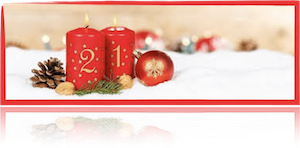
As we approach the season of Advent, I invite you to listen for the call: “Repent, for the kingdom of heaven is at hand” (Matthew 3:2). Repeating this simple word may provide a valuable opportunity for meditation and reflection. In the midst of our busy lives—filled with stress, worries, and fears about the future, health, aging, and jobs—Advent beckons us to ask ourselves if there is anything we need to repent. It's worth considering: Do I have something to repent?
The Prophet Isaiah envisions a future king who will bring “justice that flourishes” and “peace forever” (Isaiah 11:1-10). His image of wolves and lambs lying down together (Isaiah 11:6-9) is not just a naive fantasy; it illustrates what the world looks like when God's justice prevails. The psalmist’s promise of “great peace forever” (Psalm 72:7) is the fruit of that justice. Our small acts of kindness—feeding the hungry, visiting the lonely, and standing up for the oppressed—are the seeds of that promised kingdom. On a societal level, Isaiah emphasizes the urgent need for peace grounded in justice. We are called to repent for the wars and conflicts that have taken countless lives. The psalm reiterates that hope: “In his days shall justice flourish, and great peace forever” (Psalm 72).
St. Paul tells the Romans that the Scriptures “give us endurance and encouragement” (Romans 15:4), reminding us of the importance of relying on God's power and ultimately achieving peace. On a personal level, Advent is a season of patient waiting. This waiting is not passive but an active preparation. Just as a farmer tills the soil before the harvest, we must clear away the “chaff” in our lives (Matthew 3:12). This means removing what are useless, superficial, or sinful habits, attitudes, and distractions that hinder us from living authentically in God’s grace. It is a call for inner renewal and transformation, beyond mere external observance.
In this sense, Advent serves as a reminder that we have the opportunity to make a U-turn. Let me share a story to illustrate this:
Once upon a time, there was a man who stole sheep. In his community, stealing was strictly prohibited, and offenders faced the punishment of having their sins marked on their foreheads permanently. Because he stole sheep, the letters “ST” were inscribed on his forehead. However, this man later repented and transformed his life, dedicating himself to caring for sheep.
As time passed and he grew old, people forgot his past. However, the mark on his forehead endured. When his grandchildren asked their mothers about the meaning of the mark, they were told it stood for “Saint.” In truth, he had lived as a saint for most of his life after his change. This is how he became known to his grandchildren. Yes, you can change your story through repentance. That is the moral of the story.
Drivers often see U-turn signs on the road. Why are U-turns allowed? They indicate that while you may be moving forward, there is always the opportunity to turn back or change direction. This simple story conveys a powerful message for our lives.
Often, we need a reminder or a call to recognize this potential for change. Matthew presents John the Baptist in the wilderness, urging everyone to undergo a radical change of heart (Matthew 3:1-12). Repentance equates to real change. The fruits of genuine repentance manifest as justice, compassion, and honesty. For instance, the tax collector who “stops collecting more than what is prescribed” and the soldier who “stops extortion” (Matthew 3:8-9) demonstrate that their repentance is evident through tangible actions, not just words.
Therefore, this Advent, let us once again hear the call: “Repent, for the kingdom of God is at hand,” and reflect on what we need to repent. May we show the results of our repentance through concrete actions. May God strengthen, enlighten, and guide us on our journey toward repentance.
by Fr. Sali Augustine SJ